SHOULDER | RENTON & MAPLE VALLEY
Reverse Shoulder Replacement for Shoulder Fracture
For severe fractures of the upper arm bone near the shoulder, reverse total shoulder replacement can rebuild the joint when the broken pieces cannot be reliably repaired, allowing many patients, particularly older adults, to regain the use of their arm.
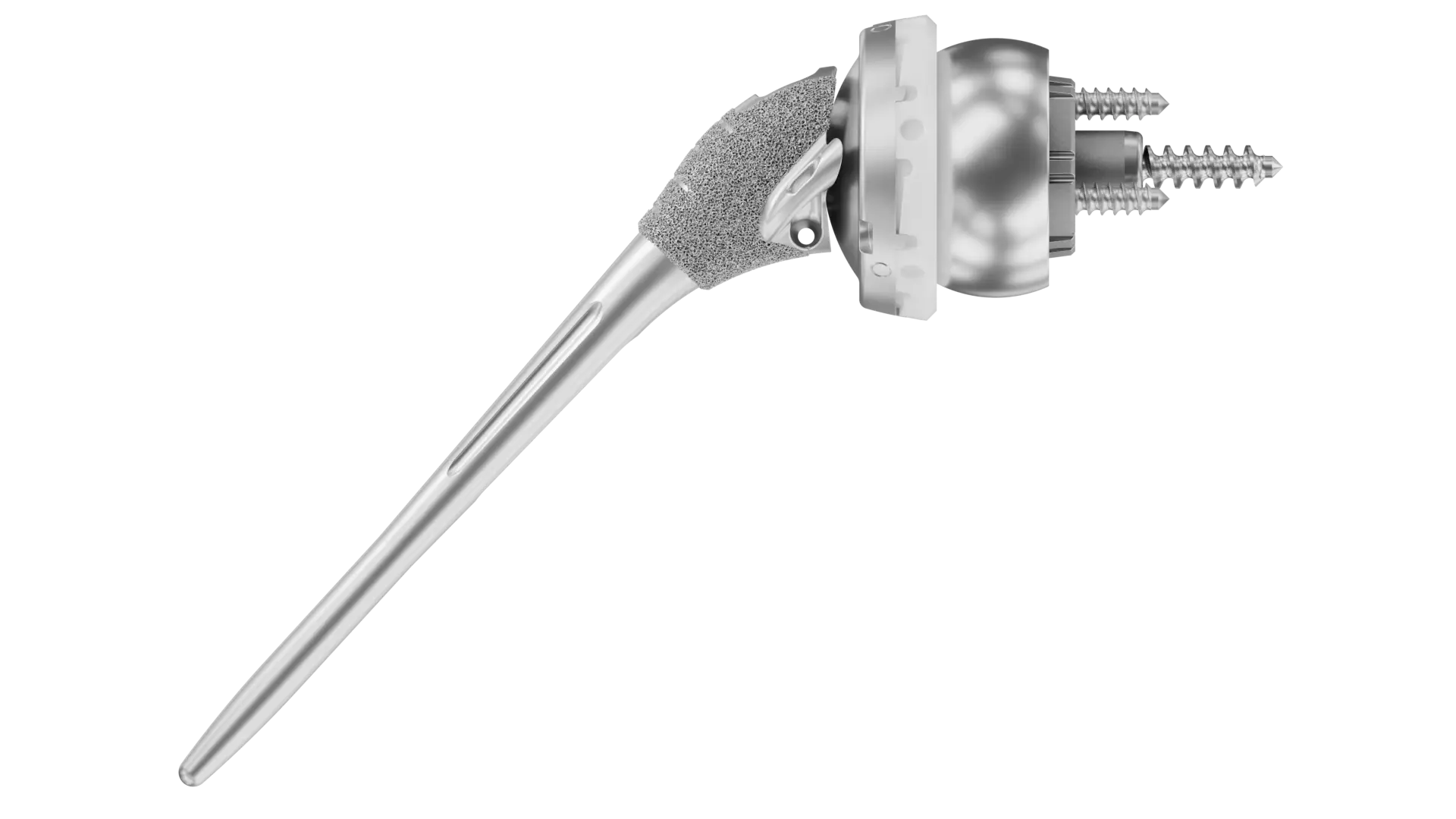
A serious shoulder fracture is frightening, and it usually arrives without warning: a fall at home, a bike accident, an icy sidewalk. If you or a family member has been told the fracture is “too complex to fix with plates and screws,” it is worth understanding why a reverse shoulder replacement is often the recommended path, and why that recommendation is grounded in how these injuries actually heal.
Why Some Shoulder Fractures Are Treated with Replacement
The upper end of the arm bone, the proximal humerus, includes the ball of the shoulder joint and the attachment points of the rotator cuff. When it breaks into several displaced pieces, two problems arise. First, hardware repair depends on those pieces holding screws and healing in position, which becomes less dependable when bone is thin or fragmented. Second, the blood supply to the broken ball can be damaged, which threatens its survival even if the repair holds.
A reverse replacement addresses both problems at once. Rather than asking damaged bone to heal in perfect position, it rebuilds the joint with implants and lets the deltoid muscle power the arm, without depending on the fractured cuff attachments healing precisely.
When Replacement Is Considered for Fracture
Every fracture is different, and many shoulder fractures heal well without surgery or with repair. Reverse replacement is generally considered when imaging shows a significantly displaced, multi-part fracture, particularly in patients over about 65, when bone quality is poor, or when the fracture involves the joint surface or threatens the blood supply to the humeral head. Dr. Lyons reviews the CT imaging carefully and will explain which category your fracture falls into and why.
Timing Matters
Fracture care moves faster than arthritis care. When replacement is the right choice, surgery is typically performed within days to a couple of weeks of the injury. If you have been given this diagnosis, a prompt specialist evaluation helps preserve the full range of options.
Recovery After Fracture Replacement
Recovery combines the arc of a shoulder replacement with the healing of the fracture around it. A sling protects the arm early, therapy begins with gentle motion, and strengthening follows as healing allows. Older patients and their families often want to know about independence: the practical goals of surgery are comfort, the ability to use the hand and arm for daily life, and a return to living situations patients came from. Dr. Lyons will talk candidly with you and your family about realistic goals for your situation.
Frequently Asked Questions
Why can't my fracture just be fixed with a plate and screws?
Some fractures can be. But when the bone is broken into multiple displaced pieces, is osteoporotic, or has a damaged blood supply, hardware repairs become less dependable, and rebuilding the joint with a reverse replacement is often the more reliable operation.
Why a reverse replacement instead of a standard one for fracture?
A standard replacement depends on the rotator cuff attachments healing back to the bone in exact position. A reverse design does not, which is why it has become the more common choice for complex fractures.
How soon after the injury would surgery happen?
When replacement is recommended, it is usually performed within days to about two weeks of the injury. Prompt evaluation keeps options open.
Will I regain use of my arm?
The goal of surgery is a comfortable shoulder that supports daily activities. Recovery varies with age, bone quality, and overall health, and Dr. Lyons will discuss expectations specific to your injury.
If you or a loved one has suffered a serious shoulder fracture, call the office and let the team know it is a fracture consultation so you can be seen promptly: (425) 291-1456.
Take the Next Step
Request an appointment at the Renton or Maple Valley office.