ELBOW | RENTON & MAPLE VALLEY
Elbow Cartilage Restoration
Cartilage restoration for the elbow treats focal cartilage defects, including osteochondritis dissecans (OCD) of the capitellum, using techniques such as fragment fixation, marrow stimulation, and osteochondral grafting to rebuild the joint surface.
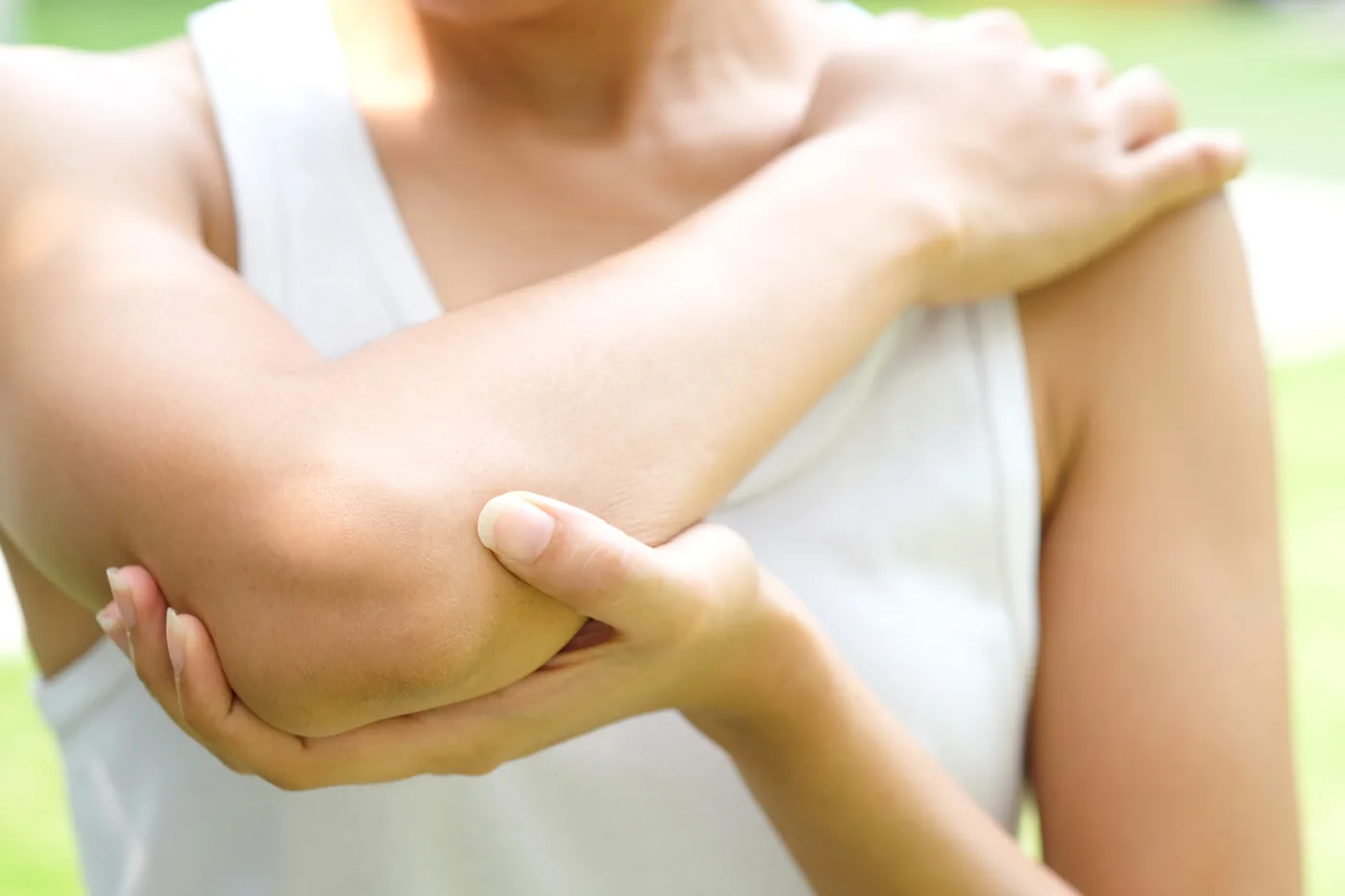
Cartilage injuries of the elbow are uncommon enough that many patients, and their families, have never heard of the diagnosis until it is theirs. The most frequent version is osteochondritis dissecans of the capitellum: a segment of cartilage and underlying bone in a young athlete’s elbow loses its blood supply and begins to separate. It shows up most often in gymnasts and baseball players between roughly 10 and 16 years old, when repetitive compression loads the outer elbow. Caught early, some lesions heal without surgery, which makes timely diagnosis genuinely important.
Recognizing an OCD Lesion
The typical story is aching pain on the outside of the elbow with activity, a gradual loss of full extension, and, in later stages, catching or locking as the fragment loosens. X-rays can miss early lesions; MRI shows the cartilage and the state of the fragment. Stable lesions in growing athletes may be treated with rest and activity modification. Unstable or detached fragments generally warrant surgery, because a loose fragment damages the rest of the joint.
Restoration Techniques
The right procedure depends on the size, location, and stability of the defect:
- Fragment fixation: when the piece is viable, securing it back in place with small implants gives the joint back its own cartilage
- Debridement and marrow stimulation: for small defects, removing damaged tissue and perforating the bone bed encourages a reparative cartilage layer
- Osteochondral autograft transfer (OATS): for larger or deeper defects, plugs of healthy cartilage and bone, typically borrowed from a lesser-weight-bearing area of the knee, rebuild the surface with true structural cartilage
- Allograft options: donor cartilage may be considered for defects beyond autograft size limits
Dr. Lyons will explain which technique fits your imaging and why, including the honest limits of each option.
This is an area Dr. Lyons knows from the research side as well: he is the first author of a peer-reviewed study in the Journal of Shoulder and Elbow Surgery on osteochondral autograft transfer for osteochondritis dissecans of the capitellum in adolescent athletes, work that directly informs how he treats these injuries today.
Recovery and Return to Sport
Recovery protects the healing surface first, then restores motion and strength, then rebuilds sport-specific loading. For throwing and gymnastics, that final phase is gradual by design; returning too fast is how good repairs fail. Families should expect a season-length process for most surgical cases, with specifics depending on the procedure. The reassuring part: the goal of restoration is a durable joint surface that lets a young athlete return to sport and protects the elbow for the decades ahead.
Frequently Asked Questions
What is osteochondritis dissecans of the elbow?
OCD is a condition in which a segment of bone beneath the joint cartilage loses blood supply and can separate, most often affecting the capitellum on the outer elbow in young gymnasts and throwers.
Can elbow OCD heal without surgery?
Early, stable lesions in skeletally immature athletes can heal with several months of rest from loading activities. Unstable or loose lesions typically need surgery to protect the joint.
What is cartilage restoration?
Cartilage restoration covers procedures that rebuild a damaged joint surface rather than removing it, including fixing the original fragment, marrow stimulation, and transferring plugs of healthy cartilage and bone into the defect.
Will my child be able to return to sports?
Return to sport is the goal of treatment, and many young athletes do return after successful healing and staged rehabilitation. The specifics depend on the lesion, the procedure, and the sport, which Dr. Lyons will discuss candidly with your family.
Outer elbow pain in a young gymnast or thrower should never be dismissed as growing pains. Request an evaluation in Renton or Maple Valley.
Take the Next Step
Request an appointment at the Renton or Maple Valley office.