KNEE | RENTON & MAPLE VALLEY
ACL Reconstruction
ACL reconstruction is surgery that replaces a torn anterior cruciate ligament with a graft of tendon, restoring the stability needed for cutting, pivoting, and jumping sports. Recovery involves a structured rehabilitation program and criteria-based return to sport.
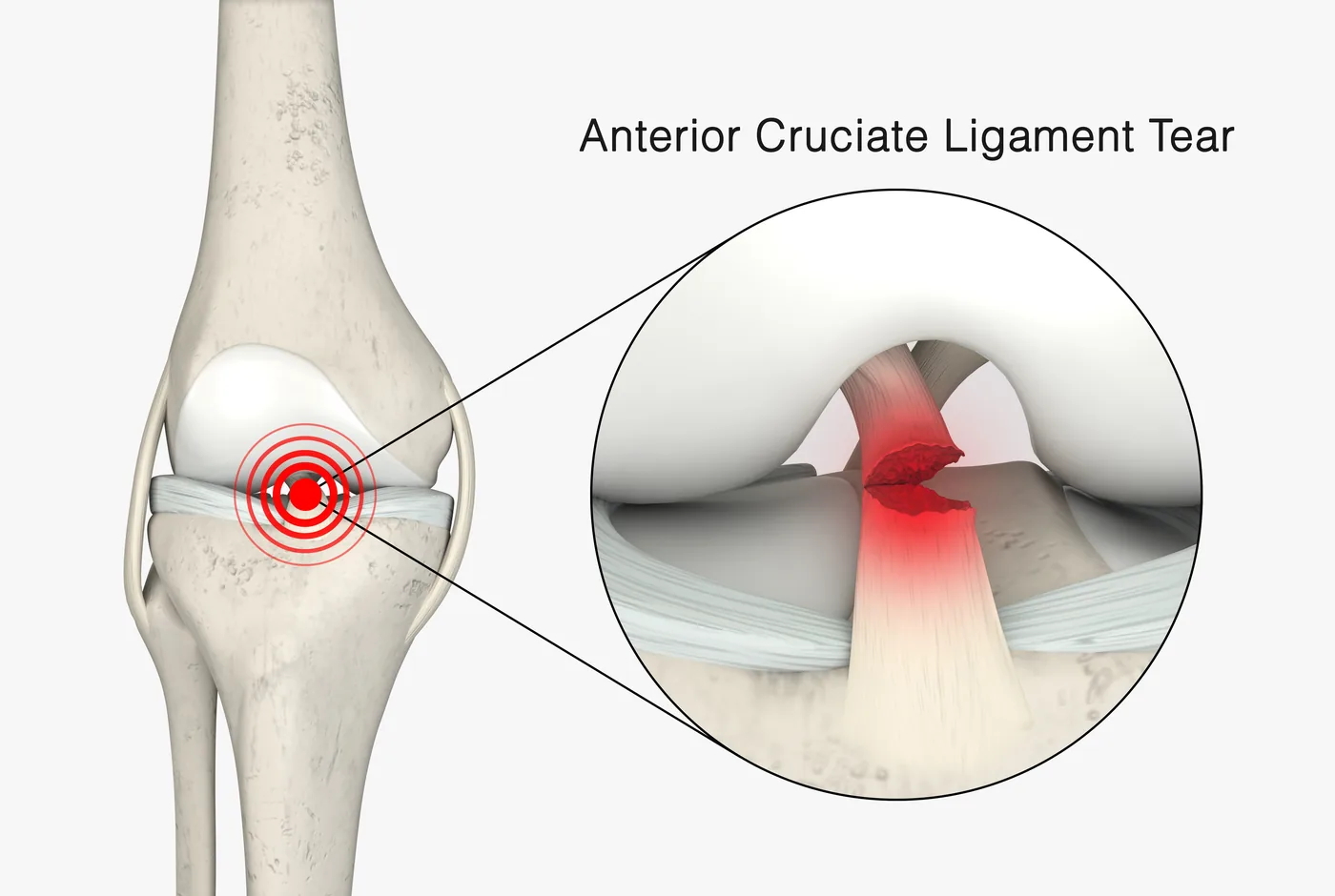
Most people remember the moment: a plant, a twist, a pop, and a knee that swelled by evening. An ACL tear is one of the most common serious knee injuries in sports, and also one of the most successfully treated. The decisions that follow, whether to reconstruct, which graft to use, and how to rehab, deserve real discussion, because they are not the same for a 16-year-old soccer player, a 35-year-old skier, and a 50-year-old hiker.
Do You Need Surgery?
The ACL does not heal itself in a way that restores its function, but not every tear requires reconstruction. The honest framing is about instability and demands: athletes in cutting and pivoting sports, patients with knees that give way during daily activity, and those with repairable meniscus tears alongside the ACL are typically better served by reconstruction. Lower-demand patients whose activities are straight-ahead may do well with rehabilitation alone. Dr. Lyons will map your goals against the exam and MRI honestly, including the option of trying rehab first when that is reasonable.
Graft Choices, Explained Plainly
The new ligament is built from a graft, and the main options each have trade-offs:
- Patellar tendon (BTB) autograft: bone-to-bone healing and a long track record in high-level athletes; trade-off is a higher chance of kneeling discomfort
- Quadriceps tendon autograft: a robust graft with growing popularity and less kneeling pain
- Hamstring tendon autograft: smaller incisions and less anterior knee pain, with its own considerations for certain athletes
- Allograft (donor tissue): avoids graft-site issues; generally reserved for older or lower-demand patients because re-tear rates run higher in young athletes
There is no single best graft, there is a best graft for you, and the choice is made together after discussing your sport, age, and anatomy.
Beyond the Graft
Modern ACL surgery is more than drilling tunnels. Treating meniscus tears at the same time, checking rotational stability, and in select knees adding a lateral extra-articular procedure to reduce re-tear risk are all part of contemporary practice. So is protecting growth plates in younger adolescents using physeal-sparing techniques.
Rehabilitation and Return to Sport
Rehab starts almost immediately: quieting the swelling, waking the quadriceps, and restoring extension in the first weeks, then progressing strength, running, and finally cutting. Return to sport is granted by criteria, strength symmetry, hop testing, movement quality, not by the calendar alone; for most athletes that lands somewhere in the nine-months-and-beyond range, and rushing it is the most preventable cause of re-injury. Expect Dr. Lyons and your therapist to hold that line with you, because it protects the knee you worked so hard to rebuild.
Frequently Asked Questions
What is ACL reconstruction?
ACL reconstruction replaces the torn ligament with a tendon graft, anchored in bone tunnels, which matures into a new ligament. It is typically an outpatient arthroscopic-assisted procedure.
Can an ACL tear heal without surgery?
The torn ACL does not regain its stabilizing function, but some patients with lower-demand activities manage well with rehabilitation alone. The decision rests on your sport, your instability, and any associated injuries.
Which ACL graft is best?
Each graft has trade-offs. Patellar tendon and quadriceps grafts are common in young cutting-sport athletes; hamstring grafts and donor tissue fit other situations. The right answer depends on your age, sport, and anatomy.
How long after ACL surgery can I play sports again?
Most athletes return somewhere beyond the nine-month mark, once they pass strength and movement criteria. Individual timelines vary, and meeting the criteria matters more than the date.
A knee that gives way is telling you something. Get a definitive diagnosis and a plan. Request an appointment in Renton or Maple Valley.
Take the Next Step
Request an appointment at the Renton or Maple Valley office.