KNEE | RENTON & MAPLE VALLEY
Knee Cartilage Restoration
Knee cartilage restoration includes procedures that rebuild damaged articular cartilage, such as MACI cell-based resurfacing, osteochondral autograft transfer (OATS), and donor grafts, offering younger patients alternatives to living with a defect or facing early joint replacement.
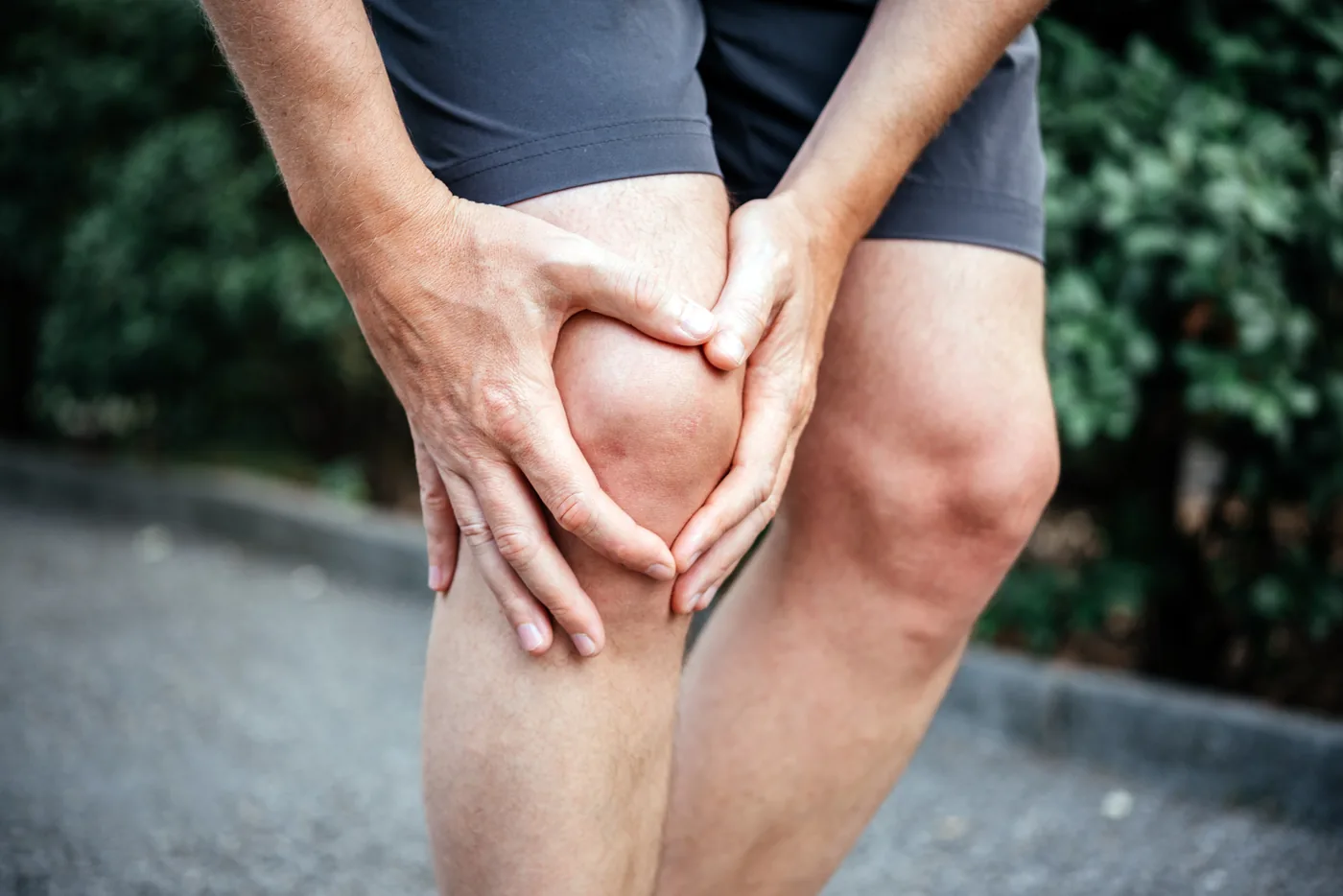
Articular cartilage, the glassy white surface that caps the ends of your bones, has almost no ability to heal itself. A focal defect from an injury, a dislocated kneecap, or osteochondritis dissecans leaves a pothole in an otherwise good road, causing pain, swelling with activity, and sometimes catching. For a patient in their 20s, 30s, or 40s, that pothole matters, because some defects enlarge over time and symptomatic defects tend not to improve on their own, which is why they deserve a real evaluation rather than a wait-and-see shrug. Cartilage restoration exists for exactly this patient.
Is Your Problem a Defect or Arthritis?
This distinction drives everything. A focal defect is a contained area of damage surrounded by healthy cartilage; widespread arthritis is thinning across the joint. Restoration techniques are designed for defects, not diffuse arthritis, and an MRI plus arthroscopic assessment establishes which you have. Just as important is asking why the defect happened, kneecap instability or malalignment left uncorrected will damage a beautiful cartilage repair, so staged or combined procedures are sometimes recommended.
The Restoration Toolkit
- MACI (matrix-induced autologous chondrocyte implantation): a two-stage, cell-based technique in which a small sample of your cartilage cells is grown in a lab, then implanted on a membrane to resurface larger defects with new cartilage tissue
- Osteochondral autograft transfer (OATS): plugs of your own healthy cartilage and bone moved from low-load areas to the defect, well suited to small and medium defects and lesions involving bone
- Osteochondral allograft: donor cartilage and bone for large or deep defects beyond autograft limits
- Marrow stimulation (microfracture and variants): perforating the bone bed so marrow cells form a reparative layer; a first-line option in select small defects, with durability considerations Dr. Lyons will explain candidly
Each technique has real trade-offs in indications, recovery, and evidence, and matching the tool to the defect, and to you, is the core skill in this field.
The Recovery Investment
Cartilage restoration asks more patience of patients than most knee procedures: protected weight-bearing early, often with a motion machine, then months of graduated loading while the new surface matures. Full return to impact sport commonly sits many months out, varying by procedure and defect. For patients who commit, the payoff being pursued is durable: a resurfaced joint and activity on your own knee. Dr. Lyons will make sure the expected investment is fully clear before choosing this path.
Frequently Asked Questions
What is cartilage restoration?
Cartilage restoration refers to surgical techniques that rebuild damaged joint surface cartilage, using your own cells (MACI), transferred plugs of cartilage and bone (OATS), or donor tissue, rather than removing tissue or replacing the joint.
Am I a candidate for cartilage restoration?
The typical candidate has a focal cartilage defect, not widespread arthritis, is under about 50, and has correctable alignment and stable ligaments. Imaging and sometimes an arthroscopic look determine candidacy.
What is MACI?
MACI is a two-stage procedure in which your cartilage cells are harvested arthroscopically, grown on a membrane in a lab, and implanted weeks later to resurface the defect with new cartilage.
How long is recovery after cartilage surgery?
Longer than most knee procedures: protected weight-bearing for the early weeks and a graduated return to impact activity that commonly takes many months, depending on the technique and defect size.
If you have been told you are too young for a knee replacement but too damaged to ignore, cartilage restoration is the conversation to have. Request an appointment in Renton or Maple Valley.
Take the Next Step
Request an appointment at the Renton or Maple Valley office.